This article provides a detailed breakdown of Macy’s factory audit process, covering its objectives, core standards, preparation strategies, and industry best practices. Whether you’re a supplier seeking to meet Macy’s requirements or a professional aiming to understand retail audit trends, this guide equips you with actionable insights to navigate the audit lifecycle effectively.
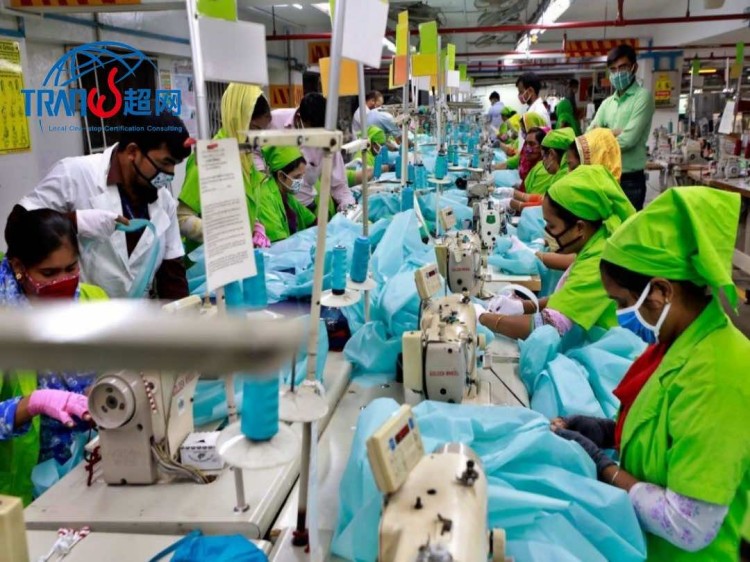
A Macy’s factory audit is a rigorous evaluation of suppliers’ facilities to ensure compliance with Macy’s ethical, environmental, and operational standards. Conducted by third-party auditors or internal teams, these audits verify adherence to codes of conduct, labor laws, and quality protocols. For example, Macy’s mandates annual social compliance audits for private brand suppliers in high-risk regions, focusing on child labor, forced labor, and workplace safety . The process includes factory tours, document reviews, and employee interviews to assess risks and identify improvement opportunities. Suppliers failing audits may face penalties or termination, underscoring the importance of proactive compliance.
Macy’s audit criteria are multifaceted, spanning four key pillars:
Social Compliance: Suppliers must prohibit child labor, forced labor, and discrimination while ensuring fair wages and reasonable working hours. Macy’s also requires emergency evacuation drills and safe housing for migrant workers .
Environmental Responsibility: Factories must minimize waste, reduce carbon emissions, and adopt sustainable practices. For instance, Macy’s partners with suppliers using SGS Transparency-One, a platform that maps supply chains to track environmental impacts .
Quality Control: Audits assess product consistency, raw material sourcing, and defect rates. Macy’s mandates UPC barcode accuracy and strict adherence to its EDI (Electronic Data Interchange) standards for seamless inventory management .
Health and Safety: Facilities must maintain OSHA-compliant workspaces, provide protective equipment, and conduct regular machine safety checks. A notable case involved Macy’s paying a $950,000 fine after a worker’s death due to unguarded machinery, highlighting the consequences of non-compliance .
Preparation is critical to passing a Macy’s factory audit. Suppliers should:
Conduct Self-Assessments: Use Macy’s audit checklist to review labor records, safety protocols, and environmental policies. For example, verify that emergency exits are unobstructed and that workers receive regular safety training .
Enhance Documentation: Maintain updated records of employee contracts, payroll, and compliance certifications (e.g., SA8000). Macy’s also requires suppliers to submit third-party audit reports for private brand orders .
Leverage Technology: Implement platforms like SGS Transparency-One to monitor supply chain risks and share data with Macy’s. EDI compliance is essential for accurate order processing and shipment tracking .
Train Employees: Ensure staff understands audit requirements, including how to report workplace issues anonymously. Macy’s prioritizes transparency and may interview workers directly during audits .
Macy’s audits drive long-term benefits for suppliers willing to invest in compliance:
Risk Mitigation: Addressing audit findings reduces legal liabilities and reputational damage. For example, resolving safety hazards prevents incidents like the 2009 machinery-related fatality that led to Macy’s fine .
Business Growth: Compliance opens doors to partnerships with other ethical brands. Macy’s also offers training programs to help suppliers improve sustainability practices .
Operational Efficiency: Audits often uncover inefficiencies in production or resource management. For instance, optimizing EDI processes can cut shipping errors and delays .
However, non-compliant suppliers face financial penalties, order cancellations, or exclusion from Macy’s vendor network.
What happens if a factory fails a Macy’s audit?
Suppliers receive corrective action plans (CAPs) and must resolve issues within deadlines. Repeat failures may result in business termination.
Are Macy’s audits announced in advance?
While social compliance audits are typically scheduled, Macy’s reserves the right to conduct unannounced inspections to verify ongoing compliance .
Do Macy’s audits cover subcontractors?
Yes. Suppliers are responsible for ensuring subcontractors meet Macy’s standards, and audits may extend to third-party facilities .
How often are Macy’s audits conducted?
Private brand suppliers undergo annual audits, while national brands face periodic reviews based on risk assessments .
A Macy’s factory audit is a cornerstone of ethical supply chain management, ensuring products meet consumer expectations for quality and sustainability. By understanding Macy’s standards, conducting thorough preparations, and leveraging technology, suppliers can not only pass audits but also build resilient, responsible businesses. Macy’s commitment to transparency and continuous improvement underscores its role as a leader in retail sustainability.
 Tag
Tag


 Read: 509