
 Read: 633
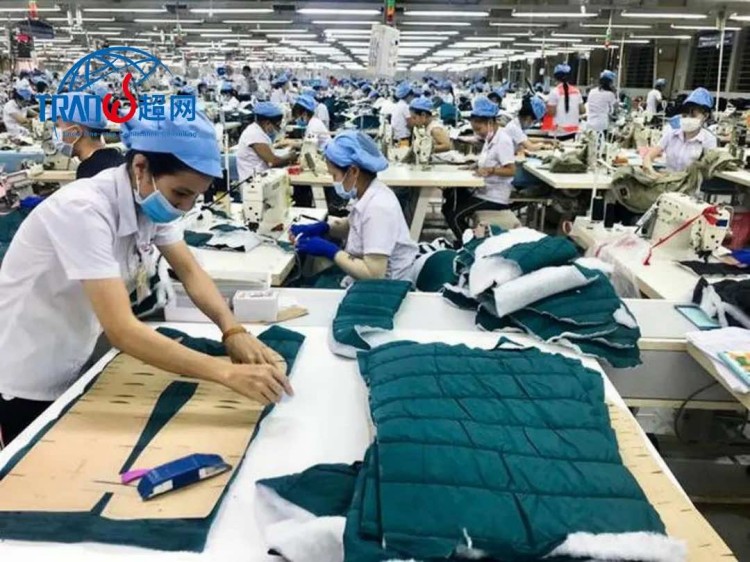
This article provides a detailed roadmap for suppliers navigating COLES factory audits, covering requirements, preparation strategies, and best practices. Learn how to align with COLES’ standards, address common non-conformities, and leverage audits to strengthen your supply chain.
1. What Is a COLES Factory Audit?
A COLES factory audit is a systematic evaluation of suppliers’ facilities to ensure compliance with COLES’ strict quality, safety, and ethical standards. These audits, conducted by third-party assessors like BSI Group , focus on food safety, labor practices, environmental sustainability, and traceability. For example, COLES’ Fresh Care and SQF standards are mandatory for produce suppliers, while BRCGS applies to food manufacturers . The audit process includes document reviews, on-site inspections, and employee interviews, with the goal of safeguarding consumer trust and maintaining supply chain integrity.
2. Why Is a COLES Factory Audit Important?
COLES prioritizes audits to mitigate risks, such as foodborne illnesses or ethical violations, which could damage its brand reputation. Suppliers failing audits risk losing COLES contracts, as seen in cases where non-compliance led to immediate termination . Conversely, successful audits open doors to long-term partnerships and market expansion. For instance, suppliers meeting COLES’ sustainability criteria gain access to its eco-conscious consumer base, aligning with global trends toward ethical sourcing .
3. Key Requirements for a COLES Factory Audit
3.1 Food Safety and Quality Management
Suppliers must adhere to COLES’ CSR-FV3 program, which mandates certification against GFSI-approved standards like BRCGS or SQF . This includes maintaining HACCP plans, validating cleaning protocols, and ensuring product traceability through batch records . Non-compliance with food safety protocols, such as expired hygiene certifications, can result in critical audit failures .
3.2 Ethical Sourcing and Labor Practices
COLES’ ethical audits focus on fair wages, working hours, and freedom from forced labor. Suppliers must provide 12 months of payroll records and ensure no child labor is involved . Recent cases highlight COLES’ zero-tolerance policy, where underpaid trolley collectors led to $220,000 in back-pay and process reforms . Implementing digital time-tracking systems can streamline compliance and reduce errors .
3.3 Environmental Sustainability
COLES’ 2025 goals include 100% renewable electricity usage and 85% waste diversion from landfills . Audits assess water/energy efficiency, chemical management, and carbon footprint reduction strategies. Suppliers are encouraged to adopt RFID inventory systems to minimize waste and improve resource allocation .
4. How to Prepare for a COLES Factory Audit
4.1 Conduct Internal Audits
Perform regular self-assessments using checklists aligned with COLES’ CSR-FV3 and WSEP standards . For example, verify that site plans clearly demarcate high-risk production areas and chemical storage zones . Address gaps in document control, such as outdated versions of COLES’ brand policies, which are frequently cited in audit findings .
4.2 Train Employees
Ensure staff understands COLES’ requirements, particularly regarding food safety protocols and ethical guidelines. Workshops on topics like allergen management and emergency procedures can prevent non-conformities . For instance, employees handling fresh produce must be trained to use FarmSoft’s quality control app for real-time inspections .
4.3 Optimize Documentation
Maintain organized records, including supplier risk assessments, equipment calibration logs, and employee training certificates . COLES’ digital platform, SafetyCulture, enables centralized document storage and real-time audit updates . Avoid common pitfalls like missing batch traceability data or incomplete hygiene records .
5. Common Audit Non-Conformities and How to Avoid Them
5.1 Food Safety Violations
Issue: Inadequate pest control or expired equipment certifications.
Solution: Implement a proactive pest management program and schedule quarterly equipment maintenance . Use SafetyCulture to automate inspection reminders .
5.2 Labor Practice Gaps
Issue: Inconsistencies between payroll records and actual working hours.
Solution: Transition to electronic time-tracking systems and conduct monthly payroll reconciliations . Ensure subcontractors comply with COLES’ wage standards, as seen in the trolley collector back-pay case .
5.3 Environmental Non-Compliance
Issue: Improper disposal of hazardous waste or high energy consumption.
Solution: Partner with certified waste handlers and invest in energy-efficient machinery. COLES’ sustainability toolkit provides guidance on reducing carbon footprints .
6. Leveraging COLES Audits for Business Growth
Successful audits position suppliers as preferred partners, enabling access to COLES’ extensive distribution network. For example, a Guangdong-based scissors manufacturer improved its export capabilities after passing COLES’ quality audit . Additionally, aligning with COLES’ ethical and sustainability goals enhances brand reputation, attracting other global retailers like Woolworths .
7. Industry Trends in COLES Audits
COLES is increasingly adopting digital tools like SafetyCulture to streamline audits, reducing paper usage by 60% per audit . Suppliers are also expected to embrace blockchain for enhanced traceability, particularly in fresh produce supply chains . Staying updated on COLES’ annual sustainability reports ensures alignment with evolving standards .
8. Conclusion
A COLES factory audit is not just a compliance exercise but a strategic opportunity to enhance operational excellence. By understanding COLES’ requirements, conducting thorough preparations, and addressing non-conformities proactively, suppliers can build resilient partnerships and thrive in the competitive retail landscape.
 Tag
Tag