
 Read: 944
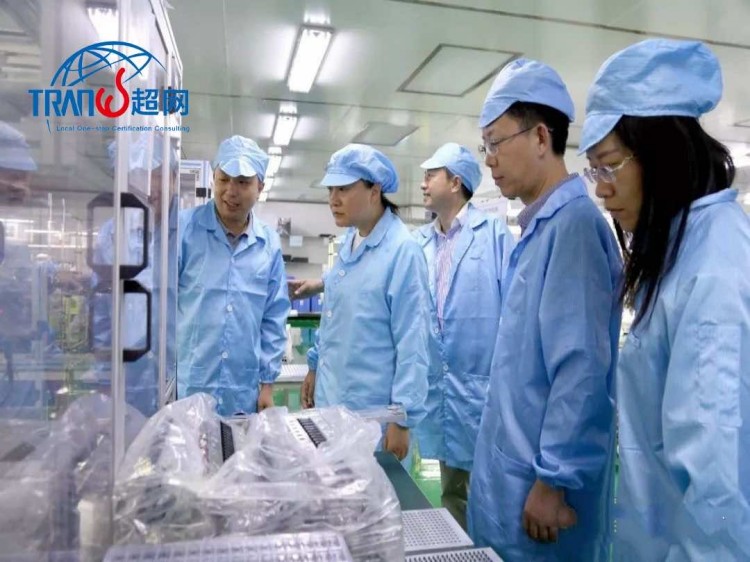 This article clarifies key aspects of GMP factory audit, including its definition, core standards, processes, common questions, and preparation strategies. It helps enterprises understand how to comply with Good Manufacturing Practice requirements and pass audits smoothly. A GMP factory audit is a systematic inspection ensuring products are consistently produced and controlled to quality standards.
Definition of GMP Factory Audit
GMP factory audit refers to the systematic inspection of manufacturing facilities to verify compliance with Good Manufacturing Practice regulations. Governed by authorities like the FDA (US) and EMA (EU), it applies to pharmaceuticals, food, cosmetics, and medical devices. The audit evaluates whether processes, equipment, and personnel adhere to predefined quality and safety standards, aiming to prevent product contamination and ensure consistency.
Global markets mandate GMP compliance; for example, the FDA 拒绝进口 non-compliant pharmaceutical products, with 12% of foreign facilities failing audits in 2024. Industries handling ingestible or skin-contact products face strictest scrutiny.
Core Standards of GMP Factory Audit
GMP factory audit focuses on five critical areas:
Quality Management System: Requires documented SOPs (Standard Operating Procedures) for all processes, from raw material inspection to final packaging. Regular internal audits (quarterly at minimum) must be conducted.
Facility & Equipment: Premises must have proper ventilation, segregation of production areas, and calibrated equipment. Cleanrooms in pharmaceutical facilities must meet ISO 8 standards for air particle count.
Personnel Practices: Staff must receive role-specific training (annual refreshers) on hygiene, cross-contamination prevention, and SOP adherence. Records of training and health checks (e.g., medical exams) must be maintained.
Documentation Control: Batch records, including raw material 溯源,production parameters, and testing results, must be accurate and retained for at least 5 years (varies by industry). Electronic records need secure access controls.
Deviation Management: Any deviation from SOPs (e.g., equipment malfunction) must be documented, investigated, and corrected with preventive actions.
The Process of GMP Factory Audit
The audit follows a structured four-stage approach:
Pre-Audit Preparation: The facility reviews SOPs, validates equipment calibration, and organizes documentation (batch records, training logs). Auditors may request a pre-audit questionnaire to assess readiness.
On-Site Inspection: Auditors verify facility conditions (cleanliness, layout), observe operations (e.g., tablet compression in pharmaceuticals), interview staff, and cross-check records against practices. Common checks include temperature logs for storage areas.
Finding Reporting: Auditors classify issues as critical (e.g., contaminated raw materials), major (e.g., uncalibrated equipment), or minor (e.g., missing signature). A draft report is provided within 5 working days.
Corrective Action & Follow-Up: The facility submits a CAPA (Corrective and Preventive Action) plan within 30 days for critical/major issues. Follow-up audits verify resolution, typically within 3–6 months.
Common Questions About GMP Factory Audit
How often is a GMP audit required? Regulatory audits occur every 1–2 years for high-risk industries (pharmaceuticals); internal audits should be quarterly.
What happens if an audit fails? Facilities may face production halts, import bans, or fines. For example, the FDA issued 42 warning letters to non-compliant drug factories in 2023.
Do GMP standards vary by country? Yes—while ICH Q7 provides global guidelines, regions like the EU (Annex 1) and China (GMP 2010) have specific requirements for sterile manufacturing.
How to Prepare for a GMP Factory Audit
Effective preparation includes:
Conducting a mock audit using a checklist covering 20+ key areas (e.g., HVAC system validation).
Training staff to answer questions about SOP adherence (e.g., "How do you handle expired raw materials?").
Ensuring all equipment has current calibration stickers and maintenance logs.
Organizing documentation in a digital system for easy access (e.g., SharePoint or dedicated GMP software).
Industry-Specific GMP Audit Focus Areas
Pharmaceuticals: Emphasis on sterile manufacturing, cross-contamination prevention, and stability testing of drugs.
Food & Beverage: Focus on allergen management, HACCP integration, and traceability of ingredients (e.g., recalling contaminated batches within 24 hours).
Medical Devices: Inspection of design controls, sterilization processes (e.g., ethylene oxide validation), and post-market surveillance.
Case Study: A Successful GMP Audit in Pharmaceuticals
A India-based generic drug manufacturer prepared for an FDA audit by upgrading its cleanroom to ISO 7 standards, implementing electronic batch records, and training 200 staff on Deviation Report. The audit resulted in zero critical findings, enabling entry into the US market, boosting annual revenue by 35%.
Future Trends in GMP Factory Audits
Digitalization is transforming audits: 68% of pharmaceutical companies now use AI-powered tools to monitor real-time production data (2024 survey). Remote audits, accelerated during the pandemic, are becoming accepted for routine checks, reducing costs by 40%. Regulatory bodies are also emphasizing sustainability, with new guidelines on energy-efficient equipment and waste reduction.
Conclusion
GMP factory audit is a cornerstone of product safety and market access. By understanding its standards, preparing systematically, and adapting to digital trends, facilities can not only pass audits but also enhance overall quality management. Proactive compliance ensures long-term trust from regulators, customers, and patients.
 Tag
Tag