
 Read: 997
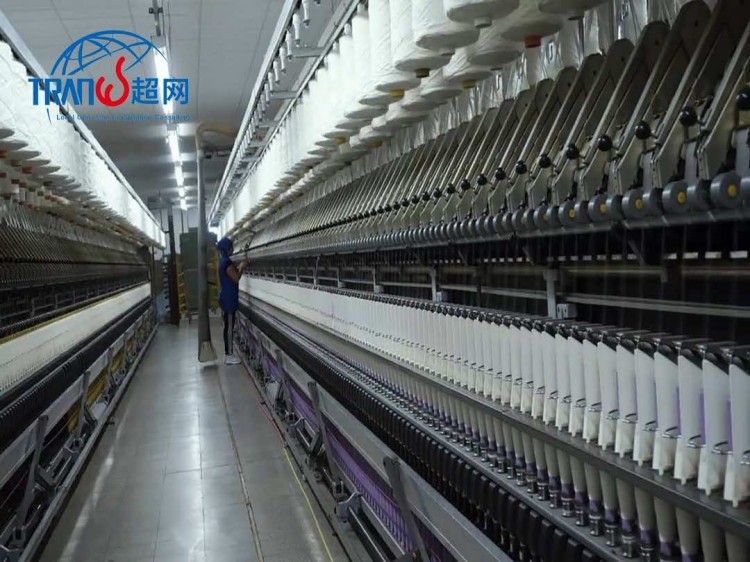
In today’s global economy, sustainability has become a critical factor for businesses aiming to meet consumer demands and international regulations. Thailand GRS Certification has emerged as a key benchmark for organizations seeking to validate their commitment to recycled materials and ethical production. This article provides a detailed overview of the certification process, its benefits, and how Thai businesses can leverage it to enhance their market competitiveness. By addressing common questions from Google’s People Also Ask module and integrating relevant search terms, this guide ensures clarity and SEO optimization while adhering to industry standards.
Understanding Thailand GRS Certification
The Global Recycled Standard (GRS) is an internationally recognized certification that verifies the recycled content of products, tracks supply chains, and enforces environmental and social responsibility . In Thailand, this certification is particularly relevant for industries like textiles, plastics, and manufacturing, where sustainability practices are increasingly prioritized.
Key Components of GRS Certification:
Thailand’s growing adoption of GRS certification reflects its commitment to reducing carbon footprints and aligning with global sustainability goals. For instance, companies like SCG Green Polymer have implemented GRS-certified processes to produce high-quality recycled plastics, contributing to Thailand’s circular economy .
Why Thailand GRS Certification Matters
Market Access and Consumer Trust
GRS certification opens doors to international markets, especially in the EU and North America, where regulations like the EU’s Circular Economy Action Plan emphasize recycled content . Consumers increasingly prefer products with sustainability labels, and GRS certification serves as a trusted indicator of environmental responsibility .
Cost Efficiency and Resource Conservation
By integrating recycled materials into production, businesses can reduce reliance on virgin resources, lowering procurement costs over time. For example, GRS-certified plastic resins often cost 20–30% less than virgin materials, despite initial certification expenses .
Compliance with Local and Global Standards
Thailand’s government has launched initiatives like the Green Label program to promote eco-friendly products . GRS certification aligns with these efforts, ensuring businesses meet both domestic and international sustainability benchmarks.
The Thailand GRS Certification Process
Step 1: Preparation and Gap Analysis
Step 2: Choose a Certification Body
Select an accredited third-party auditor, such as SGS, Bureau Veritas, or Ecocert, which have offices in Thailand . These bodies ensure impartial assessments and issue globally recognized certificates.
Step 3: Documentation and Audit
Step 4: Certification and Maintenance
Common Questions About Thailand GRS Certification
Is GRS Certification Mandatory in Thailand?
No, GRS certification is voluntary. However, it is often required by international buyers, especially in the EU and US markets . For example, European retailers like H&M and Zara increasingly demand GRS-certified materials from their suppliers .
How Long Does the Certification Process Take?
The process typically takes 6–8 weeks, depending on the complexity of your supply chain and readiness . Companies with well-documented processes may complete it faster.
What Is the Cost of GRS Certification in Thailand?
Certification costs range from $7,000 to $9,000 USD, covering audits, documentation, and annual surveillance . Smaller businesses may benefit from group certification programs to reduce expenses .
Can Small Businesses in Thailand Afford GRS Certification?
Yes. While costs vary, many certification bodies offer flexible pricing for SMEs. Additionally, government initiatives and international partnerships (e.g., TeamPLAS and Suez) provide resources to support smaller enterprises .
Thailand GRS Certification in Action: Success Stories
Thai Acrylic Fiber (TAF)
TAF, a subsidiary of the Aditya Birla Group, achieved GRS certification for its Regel fiber, made from 50% recycled acrylic waste. This innovation not only reduced waste but also positioned TAF as a leader in sustainable textiles .
Greco Resin
Greco Resin obtained GRS certification in 2023 for its recycled TPU products, which are used in automotive parts and medical devices. Their participation in events like InterPlas Thailand 2024 highlights Thailand’s growing role in green manufacturing .
Future Trends and Challenges
Industry Growth
The number of GRS-certified companies in Thailand is rising, particularly in textiles and plastics. For example, Indo Thai Synthetics—a major yarn manufacturer—holds GRS certification, reflecting the sector’s shift toward sustainability .
Technological Innovations
Advances in chemical recycling and bio-based materials are expanding GRS applicability. SCG Green Polymer’s use of SMX™ technology to produce high-strength recycled plastics demonstrates Thailand’s commitment to innovation .
Challenges
Conclusion
Thailand GRS Certification is a powerful tool for businesses to demonstrate sustainability, access global markets, and contribute to a circular economy. By following the certification process, addressing common challenges, and leveraging local resources, Thai companies can position themselves as leaders in ethical production. As consumer demand for eco-friendly products grows, GRS certification will continue to be a cornerstone of success in Thailand’s industrial landscape.
 Tag
Tag