
 Read: 1604
If you’re navigating Vietnam’s manufacturing landscape and seeking clarity on Vietnam SEDEX Certification, this article addresses key questions: what it entails, its process, core standards, costs, and benefits. Whether you’re a supplier aiming for global partnerships or a buyer verifying compliance, this guide simplifies the complexities of SEDEX in Vietnam.
What is Vietnam SEDEX Certification?
Vietnam SEDEX Certification aligns with the Supplier Ethical Data Exchange (SEDEX), a global platform for sharing ethical supply chain data. It evaluates businesses on labor practices, health and safety, environmental impact, and business ethics—critical for entering European and international markets. Adopted widely in Vietnam’s textile, electronics, and agriculture sectors, it builds trust between suppliers and global buyers like Tesco and Adidas.
Core Standards of Vietnam SEDEX Certification
Labor Rights Compliance
SEDEX mandates adherence to Vietnam’s Labor Code and international conventions (e.g., ILO standards). This includes fair wages, reasonable working hours, and prohibition of child or forced labor. Auditors verify payroll records, employment contracts, and worker interviews to ensure compliance.
Health and Safety Protocols
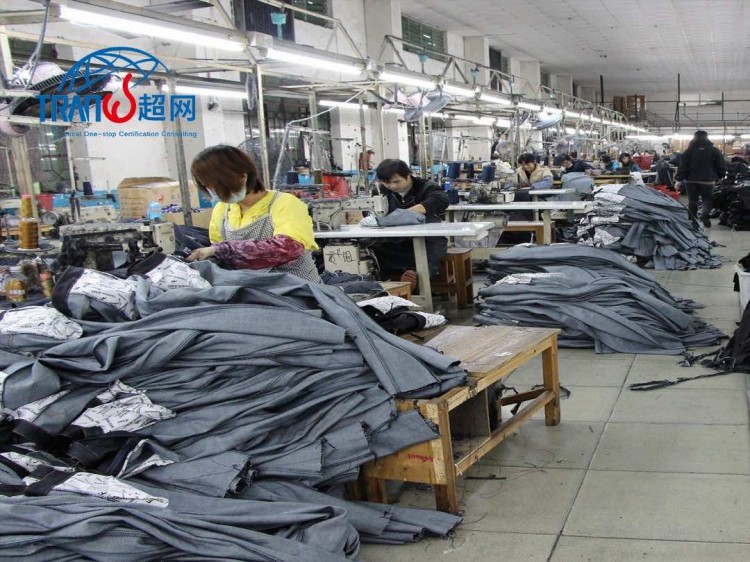
Factories must maintain safe working conditions: proper machinery guarding, fire safety equipment, and training programs. Vietnam-specific requirements, such as heat stress management in garment factories, are also assessed to prevent workplace accidents.
Environmental Responsibility
While less stringent than dedicated eco-certifications, SEDEX requires waste management plans, pollution control measures, and compliance with Vietnam’s environmental laws (e.g., QCVN standards for emissions). This aligns with global sustainability goals.
Business Ethics
Transparency in transactions, anti-bribery policies, and fair supplier relationships are key. Auditors check for corrupt practices and ensure suppliers adhere to ethical sourcing guidelines.
The Certification Process for Vietnam SEDEX Certification
Step 1: Registration and Membership
Businesses register on the SEDEX platform, choosing between Associate (buyer) or Supplier membership. Vietnamese suppliers typically opt for Supplier membership (\(120–\)500/year, based on size) to access audit tools.
Step 2: Self-Assessment Questionnaire (SAQ)
Suppliers complete an SAQ covering 18 modules, from labor practices to environmental management. Accurate data entry is crucial, as discrepancies may trigger additional audits.
Step 3: On-Site Audit (SMETA Audit)
A SEDEX-approved auditor (e.g., SGS, Intertek) conducts a SMETA (Sedex Members Ethical Trade Audit). This 1–3 day assessment includes document reviews, facility inspections, and worker interviews. Findings are graded as non-conformities (major/minor) requiring 整改 (rectification).
Step 4: Report Submission and Follow-Up
Audit reports are uploaded to SEDEX. Major non-conformities (e.g., child labor) demand immediate action, while minor issues (e.g., incomplete training records) have 3–6 months for resolution. Re-audits confirm recification completion.
Costs Associated with Vietnam SEDEX Certification
Membership Fees
Annual fees range from \(120 (micro-enterprises) to \)2,000+ (large corporations). Discounts apply to SEDEX-affiliated industry groups in Vietnam.
Audit Expenses
SMETA audits cost \(800–\)3,000, depending on factory size and location. Northern Vietnam (Hanoi) may have lower rates than Ho Chi Minh City.
Consulting and Rectification Costs
Many Vietnamese firms hire consultants (\(1,000–\)5,000) to prepare for audits rectification,such as upgrading safety equipment, can add \(500–\)10,000, varying by issue severity.
Benefits of Obtaining Vietnam SEDEX Certification
Access to Global Markets
SEDEX is a prerequisite for supplying to EU and US retailers. Vietnamese textile exporters report 30%+ order growth post-certification, as buyers prioritize ethical suppliers.
Risk Mitigation
Certification reduces legal risks (e.g., labor law violations) and reputational damage from unethical practices. It also helps avoid import bans due to non-compliance.
Operational Improvements
Audit findings often highlight inefficiencies, such as excessive overtime. Addressing these boosts productivity and reduces staff turnover—a common issue in Vietnam’s manufacturing sector.
Common Challenges and Solutions
Language and Cultural Barriers
Auditors may struggle with local dialects. Hiring bilingual managers or using certified local auditors (e.g., Bureau Veritas Vietnam) resolves communication gaps.
Small Business Constraints
Micro-enterprises often lack resources for audits. Vietnam’s Ministry of Industry and Trade offers subsidies (up to 50% of audit costs) for SEDEX certification to support SMEs.
Keeping Up with Updates
SEDEX standards evolve; for example, 2024 updates emphasize gender equality. Joining SEDEX’s Vietnam chapter provides timely updates and training.
Future Trends in Vietnam SEDEX Certification
Digitalization
SEDEX plans to launch AI-driven audit tools by 2025, allowing real-time data sharing. Vietnamese factories investing in digital record-keeping will streamline compliance.
Integration with ESG Goals
Global buyers increasingly link SEDEX with ESG (Environmental, Social, Governance) metrics. Vietnam’s certified suppliers are better positioned to attract ESG-focused investors.
Regional Harmonization
SEDEX may align with ASEAN’s ethical trade frameworks, reducing duplication for Vietnamese firms exporting to Southeast Asia.
Conclusion: Why Vietnam SEDEX Certification Matters
Vietnam SEDEX Certification is more than a compliance checkbox—it’s a strategic tool for sustainable growth. By meeting global ethical standards, Vietnamese businesses enhance their competitiveness, build long-term buyer relationships, and contribute to a responsible supply chain ecosystem. As international scrutiny of supply chains intensifies, early adoption of SEDEX positions Vietnam as a leader in ethical manufacturing.
 Tag
Tag