
 Read: 908
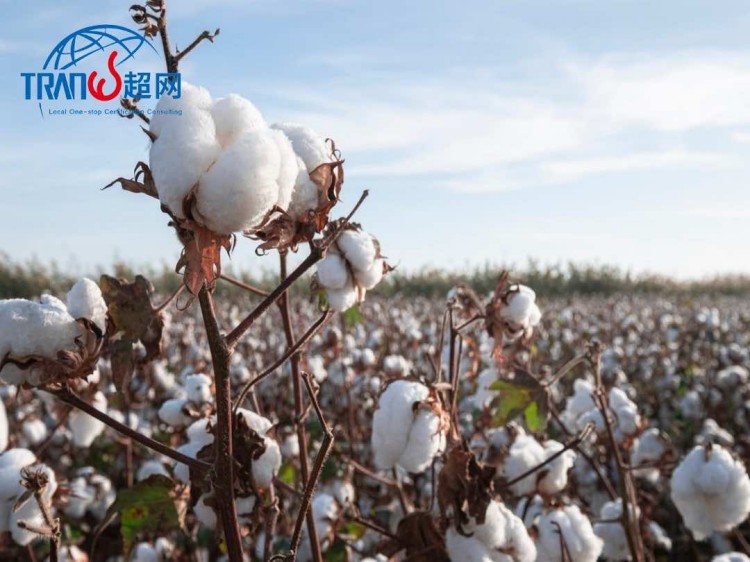
Vietnam GOTS Certification is a transformative process that enables textile manufacturers in Vietnam to meet the Global Organic Textile Standard (GOTS), the world’s most rigorous sustainability benchmark for organic textiles. This article provides a comprehensive guide to obtaining and maintaining GOTS certification in Vietnam, addressing common questions. By following this roadmap, factories can navigate the certification journey, align with international standards, and tap into the growing global demand for sustainable products.
1. Understanding GOTS Certification in Vietnam
Vietnam GOTS Certification ensures that textile products meet strict environmental and social criteria throughout the supply chain, from organic farming to ethical manufacturing. GOTS-certified products must contain at least 70% organic fibers, with the remaining 30% adhering to strict chemical and sustainability guidelines. The standard prohibits harmful substances like PFAS, azo dyes, and heavy metals, while mandating fair labor practices, safe working conditions, and compliance with international labor laws.
Key benefits for Vietnamese manufacturers include:
Common questions about Vietnam GOTS Certification include:
2. The GOTS Certification Process in Vietnam
The certification process involves six core stages:
2.1 Initial Assessment and Application
Factories must first conduct a self-assessment using a GOTS audit checklist to identify gaps in compliance. They then submit an application to a GOTS-accredited certification body (CB) like Ecocert or CCPB, which operate in Vietnam. The application includes details about production processes, material suppliers, and social policies.
2.2 Document Review
The CB evaluates documentation, including:
2.3 On-Site Audit
A GOTS-approved auditor visits the factory to verify compliance. Key focus areas include:
2.4 Corrective Actions
If nonconformities are identified (e.g., incomplete training records), the factory must submit a Corrective Action Plan (CAP) within 30 days. Follow-up audits may be required for major issues like inadequate wastewater treatment.
2.5 Certification Decision
Upon successful audit, the CB issues a GOTS certificate, valid for one year. Factories must pay an annual license fee of €150 to GOTS and ongoing fees to the CB, which vary based on facility size and audit scope.
2.6 Annual Renewal
Renewal involves a surveillance audit to ensure continued compliance. Factories must also adapt to updates like GOTS Version 7.0 (effective March 2024).
3. Preparing for GOTS Certification in Vietnam
3.1 Organic Fiber Sourcing
Vietnamese factories must source organic fibers from certified suppliers. For example, Wendler Vietnam produces GOTS-certified cotton interlinings using organic cotton from local farms. Key steps include:
3.2 Environmental Compliance
3.3 Social Responsibility
3.4 Documentation Management
Use digital tools like Intellect QMS to organize records, including:
4. GOTS Certification Bodies in Vietnam
Several internationally accredited bodies operate in Vietnam:
4.1 Ecocert
A leading CB offering GOTS certification for all scopes (processing, trading, and chemical approval). Their audits cover traceability systems and social compliance management.
4.2 CCPB
Specializes in audits for wet processing and manufacturing.
4.3 Control Union
Provides end-to-end certification, including supply chain audits to verify organic fiber authenticity.
5. FAQs About Vietnam GOTS Certification
5.1 How Long Does the Certification Process Take?
The process typically takes 8–12 weeks, depending on audit availability and the complexity of corrective actions. Factories with existing ISO 9001 certification often accelerate the process.
5.2 What Are the Costs Involved?
Total costs range from $3,000 to $10,000, including application fees, audits, and corrective measures. Smaller facilities may qualify for subsidies under Vietnam’s sustainable textile development programs.
5.3 Can Factories Use Synthetic Fibers?
Yes, but synthetic fibers (e.g., polyester) are limited to 10% of the final product (25% for sportswear). These must be recycled or meet GOTS environmental criteria.
5.4 What If a Supplier Fails to Provide Organic Certificates?
The factory may face nonconformities. To mitigate risks, prequalify suppliers using a supplier audit checklist and prioritize partnerships with GOTS-approved vendors.
6. Industry Trends and Best Practices
6.1 Digital Transformation
Adopt AI-driven tools like GOTS Version 7.0’s risk-based due diligence software to automate compliance monitoring. For example, Saitex Vietnam uses blockchain to track organic cotton from farm to finished jeans.
6.2 Circular Economy Integration
Repurpose recycled GOTS-certified waste into new products. Hansae Group’s recycled cotton facility in Vietnam exemplifies this trend, reducing landfill waste by 30%.
6.3 Policy Alignment
Vietnam’s EVFTA commitments and National Action Plan for Sustainable Textiles incentivize GOTS certification through tax breaks and export subsidies. Factories can leverage these to offset certification costs.
7. Case Studies: Successful GOTS Certification in Vietnam
7.1 HTG Vietnam
HTG Vietnam achieved GOTS 6.0 certification for its organic cotton garments, ensuring 95% organic fiber content and zero harmful chemicals. The certification enabled partnerships with EU brands like H&M and Zara.
7.2 Saitex
Saitex’s LEED-certified denim factory in Vietnam recycles 98% of water, uses solar power, and employs workers with disabilities through its Rekut Production Line. Their GOTS certification has positioned them as a leader in sustainable denim.
Conclusion
Vietnam GOTS Certification is not just a compliance exercise but a strategic investment in long-term competitiveness. By adhering to GOTS standards, Vietnamese textile manufacturers can access premium markets, reduce environmental impact, and foster ethical supply chains. As GOTS Version 7.0 raises the bar for sustainability, factories that embrace innovation and transparency will thrive in the global transition to circular fashion.
 Tag
Tag