
 Read: 870
In the global fashion industry, ensuring ethical production and quality standards is crucial. This article delves into PRIMARK factory audit, answering common questions from Google's People Also Ask module and integrating related search terms. It helps manufacturers understand audit standards, processes, and how to prepare, enabling them to meet PRIMARK's requirements and maintain good partnerships.
1. Overview of PRIMARK Factory Audit
PRIMARK, a well-known fast-fashion retailer, conducts factory audits to ensure its suppliers adhere to strict ethical, social, and quality standards. The PRIMARK factory audit is a comprehensive assessment that covers various aspects of a factory's operations. It is not just a one-time check but an ongoing process to ensure continuous compliance. For suppliers, passing this audit is essential to retain their partnership with PRIMARK and access its vast market.
2. Key Standards in PRIMARK Factory Audit
2.1 Labor Rights and Working Conditions
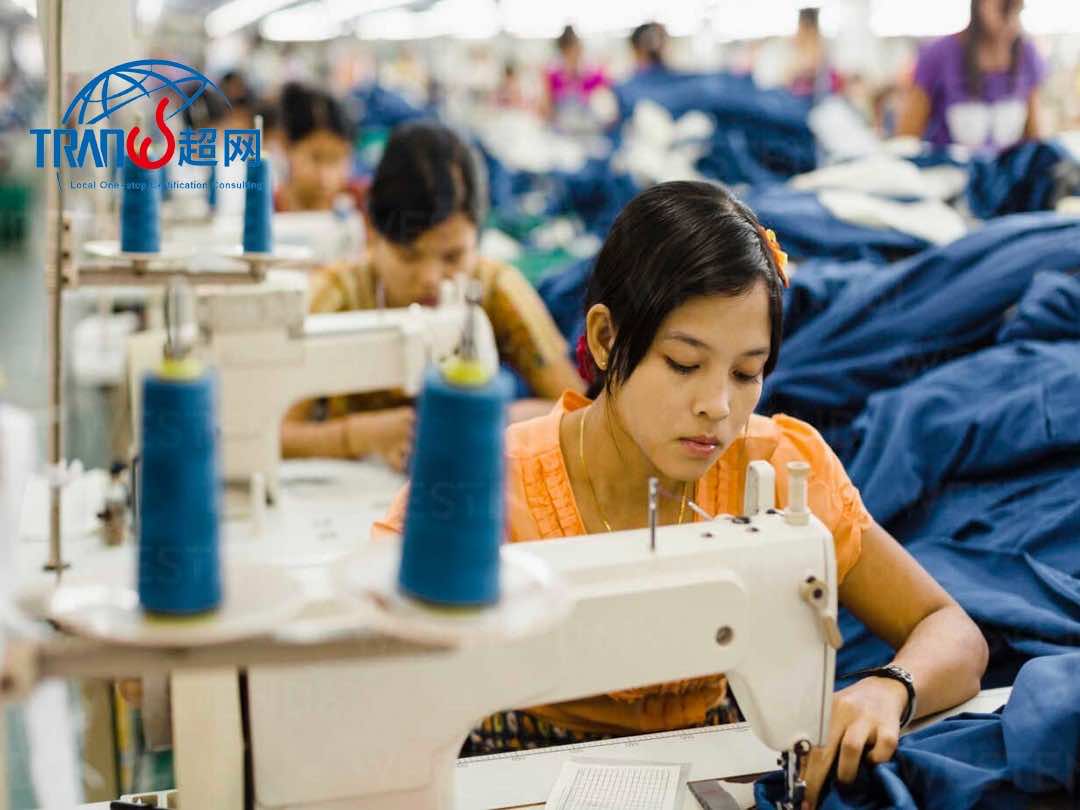
A core part of PRIMARK factory audit is checking labor rights and working conditions. This includes ensuring that workers are paid at least the minimum wage, working hours are within legal limits, and there is no forced or child labor. Factories must provide safe and healthy working environments, with proper ventilation, fire safety measures, and first-aid facilities. For example, a factory in Bangladesh supplying PRIMARK must ensure workers do not work more than 60 hours a week, as per local labor laws and PRIMARK's standards.
2.2 Environmental Compliance
PRIMARK places great emphasis on environmental responsibility in its factory audits. Factories are required to manage waste properly, reduce water and energy consumption, and limit emissions. This involves having systems in place to treat wastewater from production processes and ensuring that hazardous materials are disposed of safely. A textile factory supplying PRIMARK might need to install water recycling equipment to meet the audit's environmental criteria.
2.3 Quality Control and Product Safety
Quality control is another key standard in PRIMARK factory audit. Factories must have strict quality management systems to ensure that products meet PRIMARK's specifications. This includes checking raw materials, production processes, and finished products for defects. Product safety is also crucial, such as ensuring that clothing items do not contain harmful chemicals and meet relevant safety standards. For instance, a factory producing children's clothing for PRIMARK must conduct tests to ensure buttons and zippers are securely attached to prevent choking hazards.
3. The Process of PRIMARK Factory Audit
3.1 Pre-Audit Preparation
Before the actual audit, factories need to carry out pre-audit preparation. This involves reviewing PRIMARK's code of conduct and audit criteria to identify any potential gaps. Factories should organize all relevant documents, such as labor contracts, wage records, safety training certificates, and environmental permits. They should also conduct internal inspections to address any issues found. For example, a factory might check if all workers have signed labor contracts and if wage records are accurate and up-to-date.
3.2 On-Site Audit Execution
During the on-site PRIMARK factory audit, auditors will conduct a thorough inspection of the factory. They will tour the production facilities, talk to workers, and review documents. Auditors may check the working conditions on the production floor, the storage of raw materials and finished products, and the operation of machinery. They will also interview workers to verify information about working hours, wages, and training. For instance, auditors might ask workers about their daily working hours and whether they have received fire safety training.
3.3 Post-Audit Follow-Up
After the audit, PRIMARK will provide a detailed report highlighting any non-compliance issues. Factories are given a specific timeframe to address these issues. They must submit a corrective action plan outlining how they will resolve the problems and by when. PRIMARK may conduct a follow-up audit to ensure that the issues have been properly addressed. For example, if a factory is found to have inadequate fire exits, it must repair or install new ones and provide evidence of completion within the given time.
4. Common Questions about PRIMARK Factory Audit
4.1 How often does PRIMARK conduct factory audits?
PRIMARK conducts factory audits regularly, but the frequency can vary. High-risk factories, such as those in regions with a history of labor violations, may be audited more frequently, perhaps once every 6 months. Lower-risk factories may be audited once a year or every 18 months. Additionally, unannounced audits can be conducted at any time to ensure factories maintain compliance at all times.
4.2 Who conducts PRIMARK factory audits?
PRIMARK factory audits are usually conducted by third-party auditing firms that are accredited and independent. These firms have expertise in ethical and quality audits and follow PRIMARK's specific audit protocols. The auditors are trained to assess all aspects of the factory's operations impartially. This ensures the objectivity and credibility of the audit results.
4.3 What happens if a factory fails PRIMARK factory audit?
If a factory fails PRIMARK factory audit, it will be given a chance to correct the non-compliance issues. PRIMARK will work with the factory to develop a corrective action plan. If the factory fails to address the issues within the specified timeframe, PRIMARK may suspend or terminate the partnership. In severe cases, such as cases of child labor or major safety violations, the factory may be blacklisted and unable to work with PRIMARK in the future.
5. Tips for Factories to Pass PRIMARK Factory Audit
5.1 Establish a Compliance Management System
Factories should establish a robust compliance management system to ensure that all operations meet PRIMARK's standards. This includes assigning dedicated staff to oversee compliance, conducting regular internal audits, and providing training to workers on labor rights, safety procedures, and quality control. For example, a factory can hold monthly training sessions to educate workers on fire safety and emergency evacuation procedures.
5.2 Maintain Detailed Documentation
Proper documentation is crucial for passing PRIMARK factory audit. Factories must keep accurate records of all aspects of their operations, including labor records, wage payments, production processes, quality control checks, and environmental compliance. These documents should be organized and easily accessible for auditors to review. Using digital systems to manage documentation can make it more efficient and reduce the risk of errors.
5.3 Collaborate with Suppliers and Stakeholders
Factories should collaborate closely with their suppliers to ensure that raw materials meet PRIMARK's quality and ethical standards. They should also communicate with local authorities and industry organizations to stay updated on relevant laws and regulations. Building good relationships with these stakeholders can help factories address compliance issues more effectively and stay ahead of any changes in requirements.
6. Benefits of Passing PRIMARK Factory Audit
6.1 For Factories
Passing PRIMARK factory audit brings several benefits to factories. It helps them maintain a good partnership with PRIMARK, ensuring a stable order flow. It also improves the factory's reputation in the industry, making it more attractive to other retailers. Additionally, adhering to high standards can enhance operational efficiency, reduce waste, and improve worker morale, leading to better productivity.
6.2 For PRIMARK
For PRIMARK, conducting factory audits ensures that its products are produced ethically and meet quality standards. This helps protect the brand's reputation and build trust among consumers. In an era where consumers are increasingly concerned about the origin and production process of products, having a reliable supply chain through proper audits is essential for business success.
6.3 For Consumers
Consumers benefit from PRIMARK factory audit as they can purchase products with confidence, knowing that they are made under ethical conditions. They can be assured that the clothes they buy are not produced using child labor or in unsafe working environments, aligning with their values of social responsibility.
7. Conclusion
PRIMARK factory audit is a vital part of ensuring ethical and quality production in the fashion supply chain. By understanding the audit's standards, processes, and preparation tips, factories can increase their chances of passing and maintaining a successful partnership with PRIMARK. As the fashion industry continues to evolve, adhering to such audits will become even more important for sustainable and responsible business practices.
 Tag
Tag