
 Read: 946
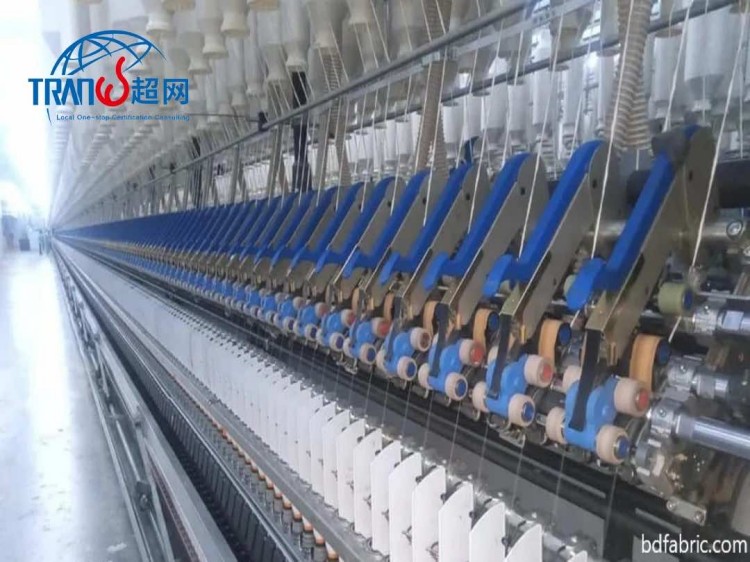
In 2025, HIGG certification undergoes transformative updates to address evolving global sustainability demands and regulatory landscapes. This article provides a comprehensive analysis of structural reforms, technical adjustments, and strategic realignments, equipping businesses with actionable insights to navigate the certification process effectively.
1. Organizational Rebranding and Strategic Focus
The Sustainable Apparel Coalition (SAC) rebranded to Cascale in 2024, signaling a shift toward "cascading action at scale" . This rebranding reflects a stronger commitment to systemic change, with Cascale emphasizing three pillars: fighting climate change, creating decent work, and supporting nature. For instance, its decarbonization program mandates a 45% reduction in GHG emissions by 2030 for members, while partnerships with manufacturers aim to phase out coal usage .
The HIGG Index remains central to Cascale’s strategy, with updates focusing on data accuracy and stakeholder trust. A KPMG review recommended against using the HIGG Materials Sustainability Index (MSI) in isolation, prompting revisions to link factory data with life cycle assessments (LCAs) and address microfiber pollution . These changes enhance the tool’s credibility in a regulatory landscape increasingly scrutinizing greenwashing claims.
2. HIGG FEM 4.0: Enhanced Environmental Assessment
The HIGG Facility Environmental Module (FEM) 4.0, effective from November 2023, introduces critical updates to environmental evaluation . Key changes include:
Factories failing to meet Level 1 compliance (e.g., lacking environmental permits) face automatic zero scores, underscoring stricter baseline requirements. Additionally, FEM 4.0 mandates reporting energy and water consumption by facility type (e.g., production vs. non-production areas) and introduces standardized annual volume units to ensure consistency across industries .
3. Integration with EU Regulations
HIGG certification increasingly serves as a compliance bridge for EU policies like the Carbon Border Adjustment Mechanism (CBAM) and the Digital Product Passport (DPP). Under CBAM’s 2025 mandate, importers must use EU-approved methodologies for emission calculations, which HIGG FEM’s Scope 1/2 tracking supports . Similarly, the DPP, set to launch in 2026, requires product-level environmental data—data directly generated by HIGG’s Materials Sustainability Index (MSI) and Product Module .
Businesses exporting to the EU must align HIGG data with CBAM’s reporting templates. For example, FEM 4.0’s energy mix calculations and water-use tracking enable seamless integration with CBAM’s embedded carbon reporting requirements . Failure to comply may result in penalties or exclusion from EU markets, making HIGG certification a strategic imperative for global supply chains.
4. Process Optimization and Technological Innovation
Verification Streamlining
HIGG FEM 4.0 introduces a three-level scoring system (Level 1-3), where Level 1 focuses on foundational compliance (e.g., permits), Level 2 on target-setting (e.g., 减排计划), and Level 3 on industry-leading practices (e.g., zero-waste technologies) . Factories failing Level 1 can still answer higher-level questions for improvement insights, though scores remain capped at Level 1. This flexibility encourages continuous learning while maintaining accountability.
Digital Tools and AI Integration
Cascale partners with tech innovators to enhance data management. For example, GreenStitch’s AI Gap Analyzer automates FEM score analysis, identifying weaknesses and recommending corrective actions. Meanwhile, blockchain-based platforms like Atma.io (partnered with HIGG) enable end-to-end supply chain traceability, ensuring material provenance and compliance with EU’s DPP requirements .
Cost and Timeline Adjustments
In 2025, HIGG modules adopt a modular pricing structure, with standalone FEM costing $699 and FSLM (Facility Social Labor Module) at $499. Bundled packages (e.g., FEM + FSLM) offer discounts, while two-year subscriptions reduce annual fees by ~15% . Verification timelines vary, but most facilities complete the process within 3–6 months, with 加急 services available for faster turnaround .
5. Social Labor Module (FSLM) Enhancements
The HIGG FSLM, aligned with the Social and Labor Convergence Program (SLCP), strengthens social compliance assessments in 2025. Key updates include:
Factories scoring below 70% on FSLM face heightened scrutiny, while those achieving 80%+ gain preferential access to brands like Target and Walmart .
6. Aligning with Circular Economy Goals
HIGG’s 2025 updates emphasize circularity through:
For example, a Chinese textile mill using HIGG-verified recycled polyester saw its product’s environmental impact score improve by 30%, aligning with EU Ecolabel criteria .
7. Strategic Implications for Businesses
Preparing for FEM 4.0
Leveraging Policy Incentives
Governments and organizations offer subsidies for HIGG compliance. For instance, China’s textile federation subsidizes 30–50% of audit costs, while the EU’s Integrated Carbon Action Plan provides grants for decarbonization projects linked to HIGG-certified facilities .
Mitigating Risks
8. Common Challenges and Solutions
Question: How to manage costs while complying with FEM 4.0?
Question: What if my facility fails Level 1 compliance?
Question: How does HIGG certification integrate with other standards like SA8000?
9. Future Outlook and Recommendations
As Cascale evolves into a catalyst for systemic change, HIGG certification will increasingly serve as a benchmark for global sustainability leadership. To thrive in 2025 and beyond, businesses should:
By embracing these strategies, organizations can transform HIGG certification from a compliance hurdle into a driver of innovation, resilience, and long-term value.
 Tag
Tag