
 Read: 475
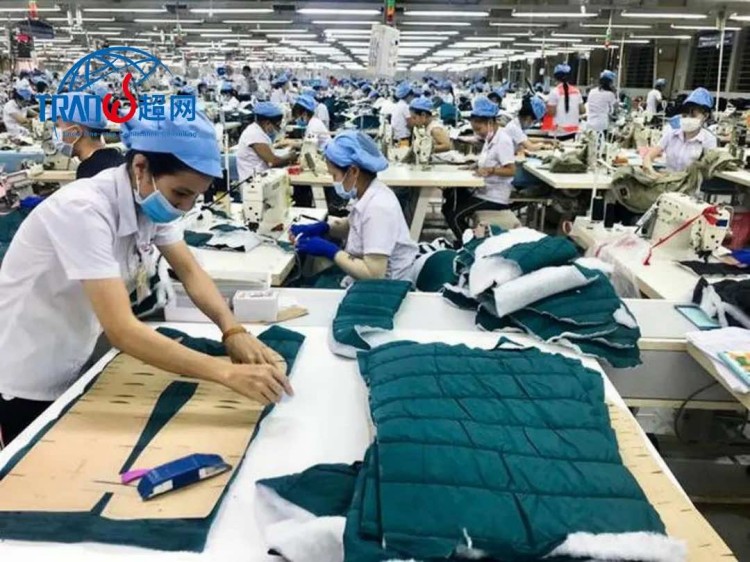
This article provides a detailed overview of LOWES factory audits, covering the audit process, key requirements, preparation strategies, and compliance tips. Whether you’re a manufacturer seeking to partner with LOWES or an existing supplier aiming to optimize your audit performance, this guide will help you navigate the complexities of LOWES factory audits and ensure long-term success. From understanding the three core audit pillars to addressing common pitfalls, you’ll gain actionable insights to meet LOWES’ rigorous standards and enhance your competitiveness in the global supply chain.
1. What Is a LOWES Factory Audit?
A LOWES factory audit is a comprehensive evaluation of a manufacturing facility’s compliance with LOWES’ ethical, quality, and security standards. Conducted by third-party auditors or LOWES’ in-house teams, these audits ensure suppliers meet the retailer’s strict requirements across three integrated modules: RESA (Responsible Ethical Sourcing Assessment), EQA (Enterprise Quality Assurance), and SCAN (Security Compliance Audit Network).
All three audits must be passed simultaneously for certification, making preparation critical. For example, a factory failing to meet EQA standards for product testing protocols will not qualify, even if RESA and SCAN requirements are fulfilled .
2. Key Requirements for a LOWES Factory Audit
LOWES’ audit criteria are designed to align with international standards like ISO 9001 and SA8000, ensuring global consistency. Below are the core requirements:
2.1 Ethical Sourcing (RESA)
2.2 Quality Assurance (EQA)
2.3 Security Compliance (SCAN)
3. How to Prepare for a LOWES Factory Audit
Preparation is key to passing a LOWES factory audit. Here’s a step-by-step guide:
3.1 Conduct a Self-Assessment
Use LOWES’ official audit checklist to identify gaps. For example, review payroll records to ensure compliance with minimum wage laws or test fire alarms to confirm functionality . Tools like SafetyCulture’s audit templates can streamline this process .
3.2 Train Employees
Workers should understand audit requirements, such as proper PPE usage or ethical labor practices. Role-playing scenarios and workshops can enhance awareness .
3.3 Organize Documentation
Compile records like:
3.4 Address Non-Compliances
Prioritize 整改 based on severity. For instance, fixing a faulty fire extinguisher (a critical safety issue) should take precedence over minor documentation errors .
4. The LOWES Factory Audit Process
A typical audit follows these stages:
4.1 Pre-Audit Planning
Auditors share a checklist and schedule a date. Factories must submit requested documents in advance, such as organizational charts or production flow diagrams .
4.2 On-Site Inspection
4.3 Audit Report
A detailed report highlights non-conformities and assigns a risk rating (e.g., critical, major, minor). Factories must submit a corrective action plan (CAP) within 30 days, outlining steps to address issues .
4.4 Follow-Up Audit
For high-risk non-compliances, a follow-up audit ensures corrective actions are implemented. Repeat failures may lead to suspension from LOWES’ supplier network .
5. Common Challenges and Solutions
5.1 Language and Cultural Barriers
5.2 Documentation Overload
5.3 Resistance to Change
6. How to Improve Audit Compliance
6.1 Implement Continuous Improvement
Regular internal audits and management reviews help identify and address issues proactively. Tools like PDCA (Plan-Do-Check-Act) cycles foster a culture of improvement .
6.2 Leverage Technology
IoT sensors for real-time quality monitoring, blockchain for supply chain traceability, and AI-driven analytics can enhance compliance and efficiency .
6.3 Partner with Experts
Third-party consultants specializing in LOWES factory audits can provide tailored guidance, reducing the risk of non-compliance .
7. What Happens If a Factory Fails a LOWES Audit?
A failed audit triggers immediate consequences:
Persistent failures may result in permanent disqualification from LOWES’ supplier list, damaging long-term business prospects .
8. Long-Term Benefits of Compliance
Passing a LOWES factory audit offers strategic advantages:
Conclusion
Navigating a LOWES factory audit requires meticulous preparation, cross-functional collaboration, and a commitment to continuous improvement. By understanding the audit’s three pillars—RESA, EQA, and SCAN—and implementing best practices like self-assessments and employee training, factories can not only pass audits but also build a sustainable, globally competitive business. Staying updated on LOWES’ evolving standards, such as its 2025 sustainability goals for wood sourcing , ensures long-term success in the dynamic retail landscape.
 Tag
Tag