
 Read: 916
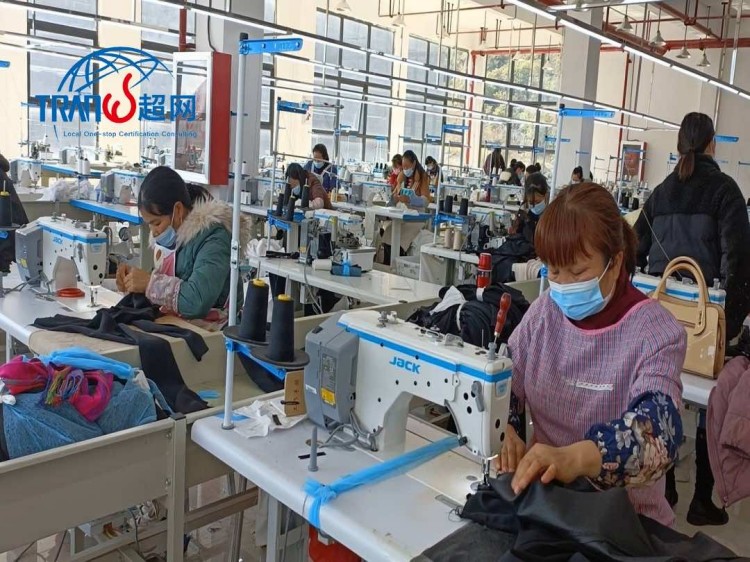
In the dynamic world of global fashion, the Vietnam INDITEX Factory Audit holds significant importance. INDITEX, a renowned Spanish fashion retail group, is committed to maintaining high standards across its supply chain. As Vietnam has emerged as a major manufacturing hub for the fashion industry, the audits here play a crucial role in ensuring compliance with INDITEX's strict requirements. This article will delve into various aspects of the Vietnam INDITEX Factory Audit, addressing common questions and providing in - depth insights.
1. What is the Vietnam INDITEX Factory Audit?
The Vietnam INDITEX Factory Audit is an evaluation process that INDITEX conducts on factories in Vietnam that produce goods for its various brands, such as ZARA, Pull&Bear, and Massimo Dutti. The audit aims to ensure that these factories adhere to INDITEX's code of conduct, which encompasses multiple areas including labor rights, environmental protection, and health and safety standards. Factories in Vietnam are subject to this audit as part of INDITEX's global supply chain management strategy to maintain brand integrity and meet consumer expectations for ethical and sustainable products.
2. Why is the Vietnam INDITEX Factory Audit important?
This audit is of great significance for several reasons. Firstly, it helps INDITEX uphold its brand image. By ensuring that its suppliers in Vietnam meet high ethical and environmental standards, the company can enhance consumer trust. In an era where consumers are increasingly conscious of sustainability and labor rights, a positive audit result can be a powerful marketing tool. Secondly, for Vietnamese factories, passing the audit means access to a large and prestigious client like INDITEX. It can lead to increased business opportunities, stable orders, and potential for growth within the global fashion supply chain.
3. Who conducts the Vietnam INDITEX Factory Audit?
INDITEX typically appoints third - party audit institutions to carry out the Vietnam INDITEX Factory Audit. Well - known names in the auditing field such as SGS, ITS, and UL are often entrusted with this task. These third - party auditors are chosen for their expertise and independence. They have trained professionals who are well - versed in INDITEX's code of conduct and relevant international standards. Their role is to conduct a fair and objective assessment of the factories, providing an unbiased report on the factory's compliance status.
4. What are the types of Vietnam INDITEX Factory Audits?
4.1 Pre-assessment Audit
This is the initial step in the audit process. Before a factory starts a business relationship with INDITEX, a pre - assessment audit is carried out. It serves as a screening mechanism to determine if the factory has the potential to meet INDITEX's requirements. During this audit, auditors evaluate the factory's basic infrastructure, initial compliance with labor laws, and environmental management systems. The results of the pre - assessment audit help INDITEX decide whether to proceed with a more in - depth formal audit.
4.2 Social Audit
The social audit focuses on labor rights and working conditions within the factory. Auditors examine areas such as employment contracts, working hours, wages and benefits, and the presence of forced or child labor. They also look into the factory's compliance with local labor laws and international labor standards. Worker interviews are often a key part of this audit to get a firsthand account of the working conditions. For example, they will check if employees are paid the minimum wage as required by Vietnamese law and if overtime is compensated appropriately.
4.3 Special Audit
Special audits are carried out to address specific issues. This could include audits related to the health and safety of workers, ensuring that factories have proper safety equipment, such as fire extinguishers and emergency exits, and that they follow safety procedures. In the context of Vietnam, where there may be specific environmental or safety risks, special audits can also focus on areas like proper handling of chemicals in factories that deal with textile dyeing or printing processes.
4.4 Traceability Audit
Traceability audits are crucial for INDITEX to maintain transparency in its supply chain. Auditors verify the origin of raw materials, components, and the entire production process. In Vietnam, they will track where the fabric is sourced from, how it is processed in the factory, and how the final product is distributed. This helps INDITEX ensure that all products meet its quality and ethical standards, right from the start of the production cycle to the end - product that reaches the consumer.
5. What are the key areas covered in the Vietnam INDITEX Factory Audit?
5.1 Labor Rights
5.1.1 Prohibition of Child Labor
INDITEX strictly prohibits the use of child labor in its supply chain. In Vietnam, factories must ensure that all employees are of legal working age, which is 15 years old according to Vietnamese law, with some restrictions for employees under 18. Factories are required to maintain accurate records of employees' ages and employment contracts to prove compliance.
5.1.2 Forced Labor
Forced labor is another area of focus. Auditors look for any signs of workers being coerced to work, such as through the use of physical or psychological pressure, withholding of wages, or restricting workers' freedom of movement. Factories in Vietnam must have policies in place to prevent forced labor and ensure that workers can leave their jobs voluntarily if they wish to.
5.1.3 Working Hours and Wages
The audit also examines working hours and wages. In Vietnam, the standard working week is 48 hours, with overtime not exceeding 40 hours per month. Factories must pay employees at least the minimum wage set by the local government, and overtime must be compensated at a higher rate. Auditors will review payroll records and time - keeping systems to verify compliance.
5.2 Environmental Protection
5.2.1 Waste Management
Vietnamese factories are required to have proper waste management systems in place. This includes separating different types of waste, such as hazardous waste from non - hazardous waste. Factories that produce textile waste, for example, need to ensure that it is either recycled or disposed of in an environmentally friendly manner. They must also have records of waste disposal to show that they are following local environmental regulations.
5.2.2 Energy Consumption
Reducing energy consumption is an important aspect of the audit. Factories are encouraged to use energy - efficient equipment and technologies. For instance, installing energy - saving lighting systems or optimizing the use of machinery to reduce power consumption. Auditors may look at energy bills and energy management plans to assess the factory's efforts in this area.
5.2.3 Water Usage and Pollution
In the textile industry, water usage and pollution are significant concerns. Factories in Vietnam must implement measures to reduce water consumption, such as using water - recycling systems. They also need to ensure that wastewater is treated properly before being discharged into the environment. The audit will check the factory's water treatment facilities and the quality of discharged water to ensure compliance with environmental standards.
5.3 Health and Safety
5.3.1 Fire Safety
Fire safety is a top priority. Factories must have proper fire prevention and control measures in place. This includes installing fire alarms, fire extinguishers, and having clearly marked emergency exits. Regular fire drills should also be conducted to ensure that employees know how to evacuate safely in case of a fire. Auditors will inspect these facilities and review records of fire drills.
5.3.2 Occupational Health
Factories need to provide a safe working environment to prevent occupational hazards. This may involve providing employees with personal protective equipment (PPE) such as gloves, masks, and safety glasses, depending on the nature of their work. In textile factories, where employees may be exposed to dust or chemicals, proper ventilation systems must be in place to maintain good air quality.
6. How can factories in Vietnam prepare for the INDITEX Factory Audit?
6.1 Documentation Preparation
Factories should gather and organize all relevant documents. This includes employment contracts, payroll records, time - keeping logs, environmental permits, and safety inspection reports. For example, they need to have up - to - date records showing that they have paid employees the correct wages and overtime according to the law. All documents should be accurate, complete, and easily accessible for the auditors.
6.2 Facility and Process Improvement
Factories can start by conducting self - assessments of their facilities and processes. They should check for any safety hazards, such as exposed electrical wires or blocked emergency exits, and rectify them immediately. In terms of environmental protection, they can look for ways to improve waste management, energy efficiency, and water treatment. For example, installing more efficient machinery can reduce energy consumption and improve the overall environmental performance of the factory.
6.3 Employee Training
Employee training is crucial. Workers should be trained on their rights and responsibilities, as well as on health and safety procedures. In the context of Vietnam INDITEX Factory Audit, training on environmental protection measures is also important. For example, employees should know how to properly separate waste and use PPE. Regular training sessions can help ensure that employees are aware of the factory's compliance requirements and can contribute to a successful audit.
7. What are the audit results and their implications?
7.1 Grading System
The Vietnam INDITEX Factory Audit results are graded into four categories: A, B, C, and D. Grade A represents excellent compliance, and such factories are usually reviewed within 24 months. Grade B indicates good compliance, with a review period of 18 months. Grade C means there are some areas for improvement, and the factory will be reviewed within 12 months. Grade D is for non - compliant factories, which are given the opportunity to improve and will be re - audited in six months.
7.2 Implications for Factories
For factories in Vietnam, the audit results have significant implications. A high - grade result, such as A or B, can lead to increased business opportunities with INDITEX. It can also enhance the factory's reputation in the industry. On the other hand, a low - grade result, especially a D, means that the factory needs to take immediate corrective actions. If a factory fails to improve after multiple audits, it may be removed from INDITEX's supplier list, resulting in a loss of business.
8. Conclusion
The Vietnam INDITEX Factory Audit is a comprehensive and important process in the global fashion supply chain. It serves as a means for INDITEX to maintain its high standards of quality, ethics, and sustainability. For factories in Vietnam, understanding and preparing for this audit is essential for business success. By complying with the audit requirements in areas such as labor rights, environmental protection, and health and safety, factories can not only meet INDITEX's expectations but also contribute to the overall development of a more ethical and sustainable fashion industry.
 Tag
Tag