
 Read: 378
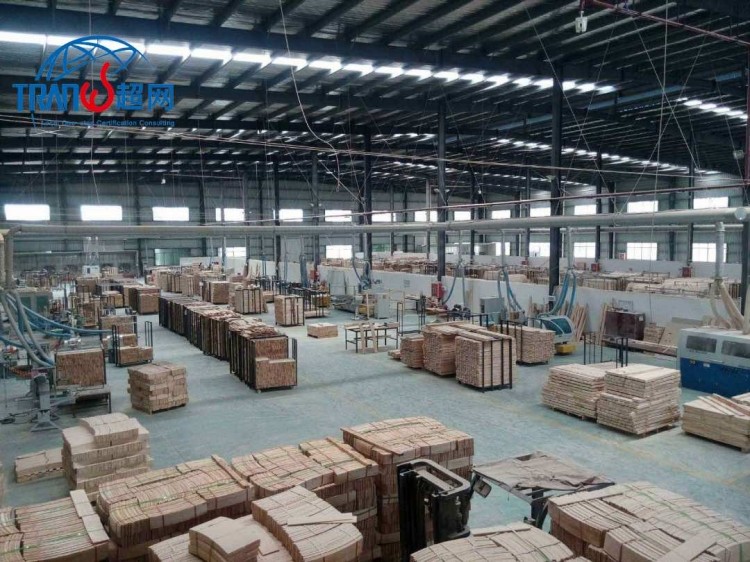
In the world of international trade, meeting the standards set by major retailers is crucial for suppliers. One such significant requirement is the LOWES factory audit. This audit is a comprehensive evaluation that ensures factories adhere to specific quality, social responsibility, and security standards. If you're a supplier looking to partner with LOWES or simply want to understand the audit process better, this article is for you. We'll cover everything from the types of audits involved to how to prepare for them.
Types of LOWES Factory Audits
Social Responsibility Audit (RESA)
The Retail Ethical Sourcing Assessment (RESA) is a key part of the LOWES factory audit. This audit focuses on the labor conditions within the factory. It examines aspects such as working hours, employee compensation, and the overall well - being of the workers. For example, it ensures that employees are not subjected to excessive working hours, and that they are paid fair wages as per local laws. Issues like child labor and forced labor are strictly prohibited, and the audit verifies that the factory complies with these ethical standards.
Quality Audit (EQA)
The Enterprise Quality Assurance (EQA) audit is centered around product quality. LOWES has high - quality standards for the products it sells, and the EQA audit makes sure that the factory's production processes can meet these standards. This includes evaluating the quality of raw materials used, the effectiveness of quality control measures during production, and the final inspection of products. Factories need to have proper quality management systems in place, such as ISO 9001 certification, to demonstrate their commitment to quality.
Security and Counter - Terrorism Audit (SCAN)
The Security Compliance Audit Network (SCAN) audit is designed to enhance supply chain security. In an era where global supply chains are vulnerable to various security threats, LOWES uses this audit to ensure that factories have adequate security measures. This includes aspects like access control to the factory premises, security of shipping and receiving areas, and the protection of company - related information. Factories must have proper security policies and procedures in place to pass this audit.
The Audit Process
Initial Application and Disclosure
When a factory wishes to become a supplier for LOWES, it first needs to complete an initial application. This involves providing basic information about the factory, such as its location, production capacity, and the types of products it manufactures. After the application, the factory must disclose relevant details about its operations, which will trigger the start of the audit process. A factory identification number (FID) will be created in LOWES’ system at this stage.
Scheduling the Audit
Once the initial steps are completed, LOWES will schedule the audit. The audit is usually carried out by a third - party audit firm appointed by LOWES. In some cases, if the factory has a valid certification like the Business Social Compliance Initiative (BSCI) or a Retail Ethical Sourcing Assessment (RESA) conducted by The Home Depot, it may be accepted in lieu of an onsite assessment. However, the audit firm will validate the existing certification or assessment.
On - site Inspection
During the on - site inspection, auditors will examine various aspects of the factory. For the social responsibility audit, they may interview employees to verify working conditions and wages. In the quality audit, they will inspect production lines, quality control records, and product samples. For the security audit, they will check security systems, access logs, and shipping procedures. The auditors have the right to access all areas of the factory, review documents, and talk to employees to ensure a comprehensive assessment.
Audit Reporting and Follow - up
After the on - site inspection, the audit firm will generate a report. The report will detail any non - compliance issues found during the audit. For the RESA audit, non - compliance could be issues like improper safety training for employees. In the EQA audit, it could be problems with product testing procedures. For the SCAN audit, it might be a lack of proper security signage. Factories are usually given a certain period to address these non - compliance issues, and follow - up audits may be conducted to ensure that the corrective actions have been effectively implemented.
Preparing for a LOWES Factory Audit
Document Preparation
One of the first steps in preparing for the audit is to gather and organize all relevant documents. For the social responsibility audit, this includes employment contracts, payroll records, and safety training certificates. In terms of quality audit, product test reports, quality control manuals, and supplier evaluation records are essential. For the security audit, security policies, access control logs, and emergency response plans should be readily available.
Facility Readiness
The factory premises should be in proper order. This means that production areas should be clean and well - organized, with clear signage indicating safety procedures and work areas. Emergency exits should be unobstructed, and safety equipment such as fire extinguishers should be in working condition. In the case of the security audit, security systems like CCTV cameras should be functioning correctly, and access points should be clearly marked and controlled.
Employee Training
Employees should be well - informed about the audit process and their rights. They should be trained on safety procedures, quality control measures, and their roles within the factory's social responsibility framework. For example, they should know about proper working hours, and how to report any safety concerns. In the context of the quality audit, employees involved in production should be aware of the quality standards they need to meet.
Consequences of Failing a LOWES Factory Audit
Impact on Business Relationship
Failing a LOWES factory audit can have serious implications for the business relationship between the factory and LOWES. In the worst - case scenario, LOWES may terminate the business relationship, which means the factory will no longer be able to supply products to LOWES. This can lead to a significant loss of revenue for the factory, especially if a large portion of its business is tied to LOWES.
Reputational Damage
Beyond the direct business relationship, a failed audit can also cause reputational damage. Word of a failed audit can spread within the industry, making it more difficult for the factory to attract other major retailers as customers. It can also affect the factory's standing among existing customers and business partners, who may question the factory's ability to meet ethical and quality standards.
Required Corrective Actions and Re - audit
If a factory fails an audit, it will be required to take corrective actions. These actions may involve implementing new policies, providing additional training to employees, or upgrading equipment. After the corrective actions are taken, a re - audit will be scheduled. The factory must pass this re-audit to maintain or re-establish its business relationship with LOWES. This process can be time - consuming and costly for the factory.
Conclusion
The LOWES factory audit is a multi-faceted process that encompasses social responsibility, quality, and security aspects. For factories aiming to be suppliers for LOWES, understanding and preparing for this audit is of utmost importance. By ensuring compliance with the audit requirements, factories can not only secure a business relationship with LOWES but also enhance their overall reputation and competitiveness in the global market. Remember, a successful audit is not just about meeting the immediate requirements of LOWES but also about building a sustainable and ethical business model.