
 Read: 428
KOHL'S Factory Audit: A Complete Guide to Compliance and Success
In today’s global retail landscape, meeting rigorous supply chain standards is critical for businesses partnering with major brands like Kohl’s. A KOHL'S factory audit ensures compliance with ethical, quality, and safety benchmarks, protecting both brand reputation and consumer trust. This comprehensive guide walks you through the audit process, requirements, and strategies to excel, empowering manufacturers and suppliers to navigate challenges and secure long-term partnerships. From understanding audit categories to preparing corrective actions, this resource equips you with actionable insights to achieve audit success.
What is a KOHL'S Factory Audit?
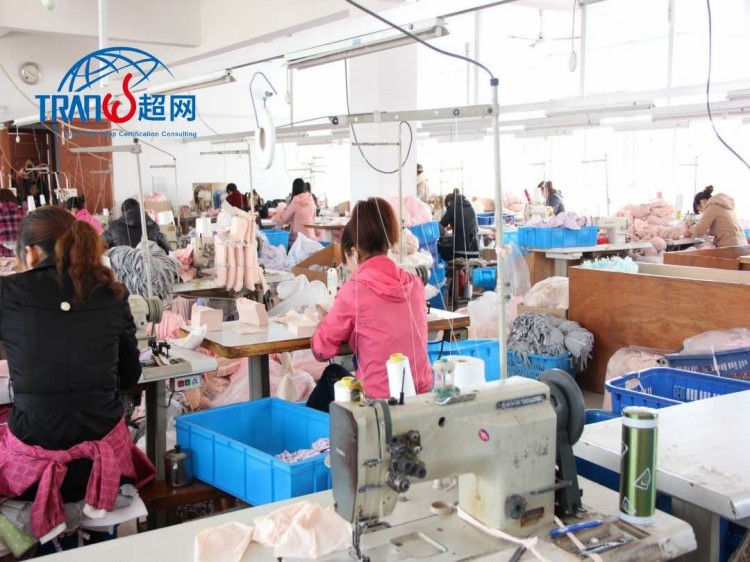
A KOHL'S factory audit is a systematic evaluation of manufacturing facilities to ensure alignment with Kohl’s Terms of Engagement and international labor, environmental, and safety standards. Administered by third-party organizations like SGS or Intertek, these audits cover three core areas: human rights, quality control, and supply chain security. For example, factories must demonstrate compliance with fair wage practices, safe working conditions, and anti-terrorism protocols to maintain Kohl’s approval.
Key components include:
Why KOHL'S Factory Audits Matter
1. Market Access and Partnership Stability
Kohl’s prioritizes suppliers with proven compliance records, as audits mitigate risks of legal penalties or reputational damage. For instance, factories failing to meet 100% social security contribution requirements (a Kohl’s mandate) risk losing orders indefinitely. Compliance also opens doors to other ethical buyers aligned with Kohl’s sustainability goals.
2. Legal and Reputational Protection
Non-compliance can trigger lawsuits or regulatory fines, particularly under laws like the California Transparency in Supply Chains Act. A single audit failure may lead to public scrutiny, affecting partnerships with other retailers.
3. Operational Efficiency
Audits often uncover inefficiencies in production processes or safety protocols. For example, identifying faulty machinery during a quality audit can prevent costly recalls and improve overall productivity.
Preparing for a KOHL'S Factory Audit
Step 1: Understand Kohl’s Requirements
Review Kohl’s Terms of Engagement and Social Responsibility Report to identify specific criteria, such as:
Step 2: Conduct a Self-Assessment
Use Kohl’s audit checklist to evaluate your facility:
Step 3: Partner with Experts
Engage consultants familiar with Kohl’s audit nuances, such as zero-tolerance policies for child labor or forced labor. They can help streamline documentation, simulate audits, and address gaps in compliance.
The Audit Process Explained
1. Pre-Audit Documentation Submission
Factories submit:
2. On-Site Inspection
Auditors assess:
3. Audit Report and Corrective Actions
Factories receive a report grading compliance on a scale of Pass, Conditional Pass, or Fail. Non-conformities (e.g., missing safety signs) require a Corrective Action Plan (CAP) with timelines and evidence of 整改. For example, a factory failing to meet fire exit spacing requirements must install additional exits within 30 days.
Common Challenges and Solutions
1. Complex Documentation Requirements
Kohl’s mandates traceable records for materials, labor, and production. To address this:
2. Physical Infrastructure Upgrades
Retrofitting facilities to meet Kohl’s standards (e.g., inward-opening doors) can be costly. Mitigate expenses by:
3. Employee Training Gaps
Workers often lack awareness of audit criteria. Solutions include:
FAQs About KOHL'S Factory Audits
Q: How long does a KOHL'S audit take?
A: On-site inspections typically last 1–2 days, followed by 2–4 weeks for report delivery.
Q: What happens if a factory fails an audit?
A: Kohl’s may suspend orders until 整改 is verified. Severe violations (e.g., child labor) result in permanent disqualification.
Q: Are audits announced in advance?
A: Initial audits are scheduled, but follow-up reviews may be unannounced to ensure 持续合规性.
Future Trends in KOHL'S Audits
As consumer demand for transparency grows, Kohl’s is intensifying its focus on:
Conclusion
A KOHL'S factory audit is not just a compliance hurdle—it’s an opportunity to demonstrate operational excellence and build trust. By proactively addressing requirements, investing in infrastructure, and fostering a culture of accountability, businesses can transform audits into competitive advantages. Remember, compliance is a continuous journey, not a one-time event. With strategic planning and expert guidance, your factory can not only pass audits but thrive in Kohl’s supply chain ecosystem.
 Tag
Tag