
 Read: 632
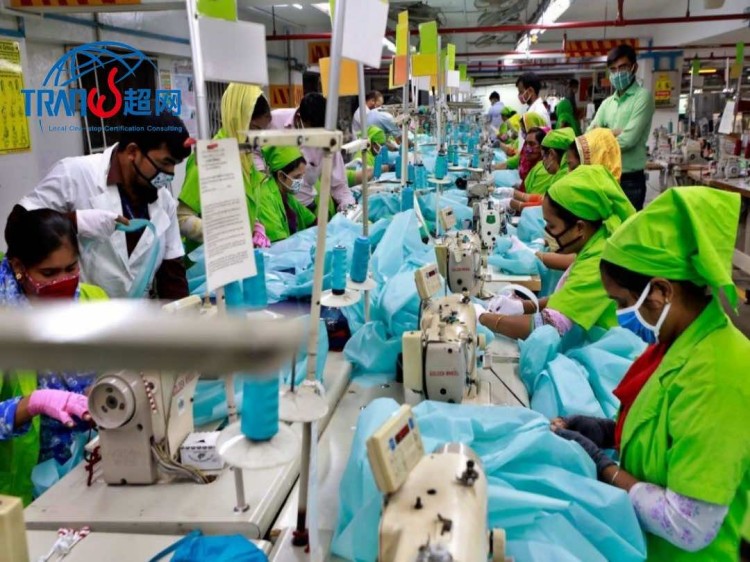
In the dynamic landscape of the global textile, apparel, footwear, and sewn products industry, Vietnam has emerged as a significant player. One crucial aspect that businesses in this sector in Vietnam need to pay attention to is the Vietnam WRAP Certification. This certification not only ensures that production facilities adhere to ethical, humane, and legal standards but also opens doors to various opportunities in the international market, especially in the United States.
What is Vietnam WRAP Certification?
The Worldwide Responsible Accredited Production (WRAP) program is an independent and globally recognized certification system. In the context of Vietnam, it holds great significance for manufacturers. It monitors and certifies that production processes are lawful, humane, and ethical. For instance, many Vietnamese garment factories strive to obtain this certification to stand out in the competitive global market. By getting Vietnam WRAP Certification, companies can distinguish themselves as reliable and trustworthy industry partners. This certification is based on a set of principles that take into account international workplace standards, local laws, and workplace regulations in Vietnam.
Principles of Vietnam WRAP Certification
Labor Rights Protection
Prohibition of Forced Labor: In Vietnam, factories with WRAP Certification must ensure that no form of forced labor is used. This means that employees are not coerced to work, and there is no practice of debt bondage or using prison labor. For example, a factory in Ho Chi Minh City aiming for WRAP Certification would need to review its employment contracts and working conditions to eliminate any signs of forced labor.
No Child Labor: Employing children below the legal working age is strictly prohibited. In Vietnam, the legal working age is typically 15 years old. Factories must verify the age of all employees during the recruitment process to comply with this principle of Vietnam WRAP Certification.
Safe and Respectful Environment: A workplace free from harassment, abuse, and discrimination is a fundamental requirement. All employees, regardless of their gender, race, or religion, should be treated equally. Vietnamese factories need to implement anti - harassment policies and provide training to ensure this principle is upheld.
Compensation and Working Hours
Fair Wages: Workers in Vietnam should receive fair compensation. This includes meeting or exceeding the local minimum wage standards set by the Vietnamese government. Additionally, overtime pay must be calculated and paid correctly as per the law. Factories must maintain accurate payroll records to demonstrate compliance.
Reasonable Working Hours: Adhering to the legal working hours and rest periods is essential. In Vietnam, the standard working week is generally 48 hours, with appropriate rest breaks and at least one day off per week. Factories need to manage their production schedules to ensure employees are not overworked.
Health, Safety, and Environment
Health and Safety Standards: Factories must provide a safe working environment. This involves having proper safety equipment, such as fire extinguishers, emergency exits, and safety gear for employees. Regular safety training should also be conducted. For example, a footwear factory in Hanoi would need to ensure that its production areas are free from hazards and that employees are well - trained on safety procedures.
Environmental Practices: Vietnam WRAP - certified factories are expected to adopt environmentally friendly practices. This could include proper waste management, energy conservation, and reducing pollution. Factories may invest in recycling programs or use energy - efficient machinery to meet these environmental requirements.
Legal and Business Compliance
Legal Compliance: All operations must comply with Vietnamese laws, including those related to labor, environment, and business. Factories need to stay updated with any changes in local regulations and adjust their practices accordingly.
Business Ethics: Honest and ethical business practices are a part of the WRAP principles. This means no engaging in fraudulent activities, respecting intellectual property rights, and maintaining fair competition in the market.
The Process of Obtaining Vietnam WRAP Certification
Step 1: Self - Assessment
Before starting the formal certification process, factories in Vietnam should conduct a comprehensive self - assessment. They need to review their operations against the WRAP principles. For example, they can check if their working hours are in line with the legal requirements, if employees are being paid fairly, and if the workplace is safe. This self - assessment helps in identifying areas that need improvement before the official audit.
Step 2: Registration
Once the self - assessment is complete, the factory can register on the WRAP website. During registration, they need to provide detailed information about their facility, such as the type of products they produce, the number of employees, and their contact details. A registration fee is also paid at this stage.
Step 3: Selecting an Accredited Auditor
WRAP does not directly conduct audits. Factories in Vietnam must choose an auditor from the list of WRAP - accredited auditing firms. These auditors have the expertise and knowledge to assess whether a factory meets the WRAP standards. For instance, a textile factory in Da Nang might research and select an auditor with experience in the textile industry and knowledge of Vietnamese regulations.
Step 4: Document Review
The auditor will first review the factory's documents. This includes employment contracts, payroll records, safety certificates, and environmental management plans. The purpose of this review is to ensure that the factory has the necessary documentation in place to support its compliance with WRAP principles.
Step 5: On - Site Audit
The on - site audit is a crucial part of the process. The auditor will visit the factory and inspect all aspects of its operations. They will talk to employees, check the working conditions, and verify the implementation of safety and environmental measures. For example, they might check if the emergency exits are clear and accessible, or if employees are aware of their rights.
Step 6: Corrective Actions
If the auditor identifies any non - compliance issues during the audit, the factory will be required to take corrective actions. These actions should be implemented within a specified time frame. For example, if the factory was found to have incorrect overtime calculations, it would need to rectify the payroll system and provide training to the relevant staff.
Step 7: Certification Decision
After the corrective actions (if any) are completed, WRAP will make a certification decision. If the factory meets all the requirements, it will be awarded the Vietnam WRAP Certification. This certification is valid for a certain period, usually one year, after which the factory may need to go through a recertification process.
Benefits of Vietnam WRAP Certification
Enhanced Reputation
Factories with Vietnam WRAP Certification are seen as more responsible and ethical. This positive reputation can attract more customers, both locally and internationally. For example, international brands may prefer to source products from Vietnamese factories with WRAP Certification as it gives them confidence in the quality of the products and the working conditions of the employees.
Market Access
In many international markets, especially in the United States, having WRAP Certification can be an advantage. Some retailers and brands require their suppliers to have this certification. This means that Vietnamese factories with WRAP Certification can access a wider range of customers and increase their business opportunities.
Improved Working Conditions
The process of obtaining and maintaining Vietnam WRAP Certification encourages factories to improve the working conditions of their employees. This can lead to higher employee satisfaction, lower turnover rates, and increased productivity. For example, if a factory invests in better safety equipment and training as required by WRAP, employees will feel more secure and motivated to work.
Risk Mitigation
By complying with all the legal and ethical standards set by WRAP, factories in Vietnam can reduce the risk of facing legal issues, such as fines for non - compliance with labor laws. It also helps in avoiding negative publicity that could arise from unethical practices.
Maintaining Vietnam WRAP Certification
Once a factory in Vietnam has obtained the WRAP Certification, it is important to maintain it. This requires continuous monitoring and improvement of operations. Factories should regularly review their compliance with the WRAP principles, especially when there are changes in local laws or business operations. For example, if there is a new environmental regulation in Vietnam, the factory needs to ensure that it adapts its practices to remain compliant with WRAP. Additionally, they should keep accurate records of any improvements or changes made to demonstrate their ongoing commitment to the WRAP standards.
In conclusion, Vietnam WRAP Certification is a valuable asset for factories in the textile, apparel, footwear, and sewn products industry in Vietnam. It not only helps in meeting ethical and legal requirements but also offers numerous benefits in terms of market access, reputation, and employee welfare. By understanding the principles, the certification process, and the importance of maintaining the certification, factories can position themselves for long - term success in the global market.
 Tag
Tag