
 Read: 822
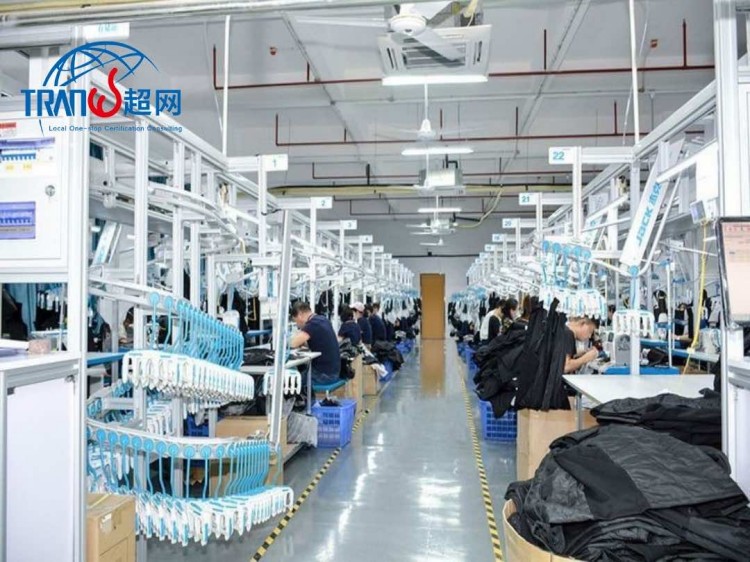
This article details the main requirements covered in the SQP factory audit, addressing key questions such as its focus areas, assessment criteria, and relevance for suppliers. It integrates related search terms to guide manufacturers, suppliers, and quality managers in understanding and preparing for the audit.
What is the SQP Factory Audit?
The SQP (Supplier Qualification Program) factory audit is a rigorous assessment framework used to evaluate supplier capabilities, ensuring they meet global standards for quality, safety, and compliance. Administered by third-party auditors, it is widely adopted by retailers, brands, and procurement teams to verify that factories can consistently deliver safe, high-quality products. The SQP factory audit goes beyond basic checks, focusing on systemic processes that reduce risks in the supply chain.
Quality Management System Requirements in SQP Audits
A core requirement of the SQP factory audit is a robust quality management system (QMS). Auditors check if factories have documented procedures for product design, raw material inspection, and production process controls. This includes verifying that incoming materials are tested against specifications and that in-process checks (e.g., sampling plans, defect tracking) are consistently implemented. Factories must also demonstrate corrective action processes for addressing quality issues, ensuring continuous improvement—key for passing the SQP factory audit.
Product Safety and Compliance Standards
SQP factory audits prioritize product safety, aligning with international regulations like ISO, ASTM, or regional standards (e.g., EU REACH, US CPSC). Auditors review testing protocols for hazardous substances, such as heavy metals or chemicals, in finished products. They also check if factories maintain records of third-party lab tests and product certifications. Compliance with labeling requirements—including origin, safety warnings, and ingredient lists—is another critical area, as non-compliance can lead to audit failures.
Manufacturing Process Controls in SQP Audits
Controlled manufacturing processes are vital for SQP compliance. Auditors assess if factories have standardized operating procedures (SOPs) for each production stage, from assembly to packaging. They verify that equipment is regularly calibrated and maintained to prevent defects. Traceability systems—tracking materials from receipt to finished goods—are also inspected, ensuring that any product issues can be traced back to their source. These controls demonstrate a factory’s ability to produce consistent, reliable products.
Labor Practices and Social Compliance
While SQP focuses heavily on quality, it also includes social compliance checks. Auditors review labor practices to ensure factories adhere to fair employment standards: no child labor, reasonable working hours, and safe working conditions. They check for proper employee training, especially for roles involving safety-critical tasks. Compliance with local labor laws—such as minimum wage and overtime regulations—is verified through payroll records and employee interviews, reflecting the growing link between ethical practices and supplier qualification.
Environmental Management in SQP Factory Audits
Modern SQP factory audits increasingly include environmental criteria. Auditors check if factories manage waste, emissions, and resource use responsibly. This includes proper disposal of hazardous materials, energy-efficient practices, and compliance with local environmental regulations. Factories with environmental management systems (e.g., ISO 14001 certification) often score higher, as they demonstrate commitment to sustainable operations—aligning with brand and consumer demands for eco-friendly supply chains.
Documentation and Record-Keeping Requirements
Comprehensive documentation is a cornerstone of SQP factory audits. Required records include material certificates, production logs, test reports, and employee training records. Auditors verify that these documents are up-to-date, accurate, and easily accessible. For example, batch records must detail production dates, quality checks, and personnel involved, allowing full traceability. Inadequate documentation is a common reason for audit non-conformance, as it hinders verification of processes.
Audit Process and Scoring in SQP Assessments
The SQP factory audit follows a structured process: pre-audit preparation, on-site inspection, document review, and a closing meeting. Auditors use a scoring system, with points awarded for compliance in each area. A passing score typically requires meeting minimum thresholds in critical areas like product safety and quality management. Factories receive a detailed report highlighting strengths and non-conformities, with deadlines for corrective actions if gaps are found. Repeat audits verify if improvements are implemented.
How SQP Differs from Other Factory Audits
SQP stands out from generic audits by its focus on supplier qualification for retail and brand partnerships. Unlike ISO audits, which are standard-specific, SQP is tailored to the needs of downstream buyers, emphasizing product consistency and risk mitigation. It also integrates social and environmental elements more holistically than purely quality-focused audits, making it a comprehensive tool for assessing supplier readiness to meet market demands.
Preparing for a Successful SQP Factory Audit
To prepare, factories should conduct internal audits using SQP checklists, addressing gaps in documentation or processes. Train staff on SOPs and quality standards, ensuring everyone understands their roles. Organize records logically—e.g., grouping material test reports by supplier—and verify that all equipment is calibrated. Engaging with previous auditors or consultants for feedback can also identify blind spots, increasing the chances of a passing score.
Conclusion
The SQP factory audit covers quality management, product safety, compliance, labor practices, and environmental standards, ensuring suppliers meet rigorous criteria for global supply chains. By understanding these requirements, factories can better prepare, enhance their processes, and strengthen partnerships with brands and retailers. As supply chain transparency becomes paramount, mastering SQP audit requirements is key to long-term business success.
 Tag
Tag